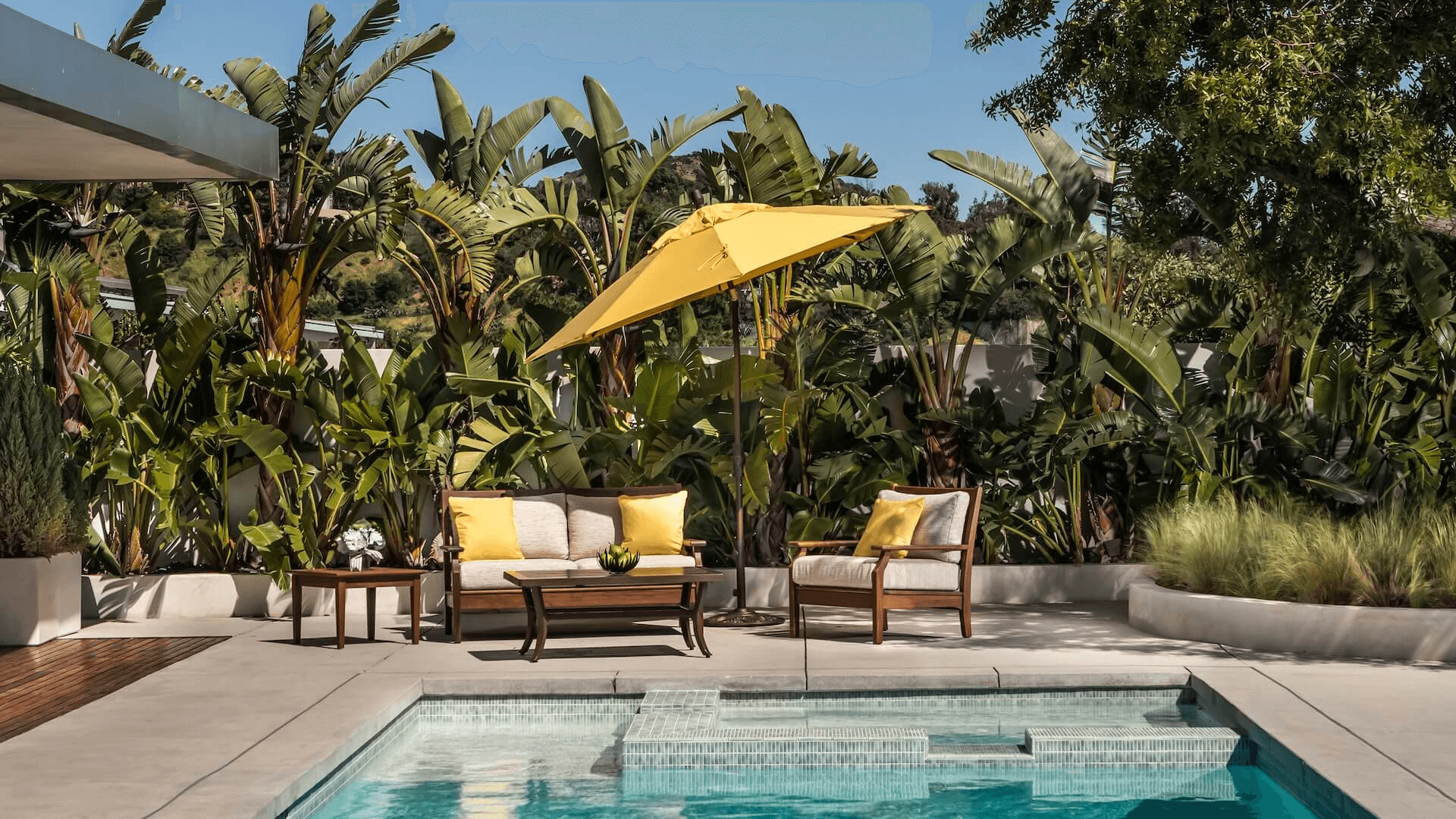
Under the Umbrella
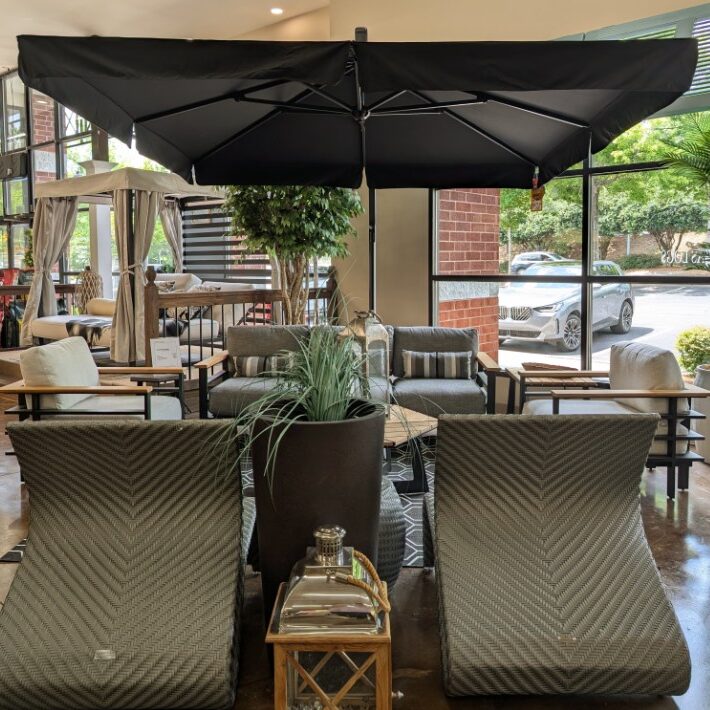
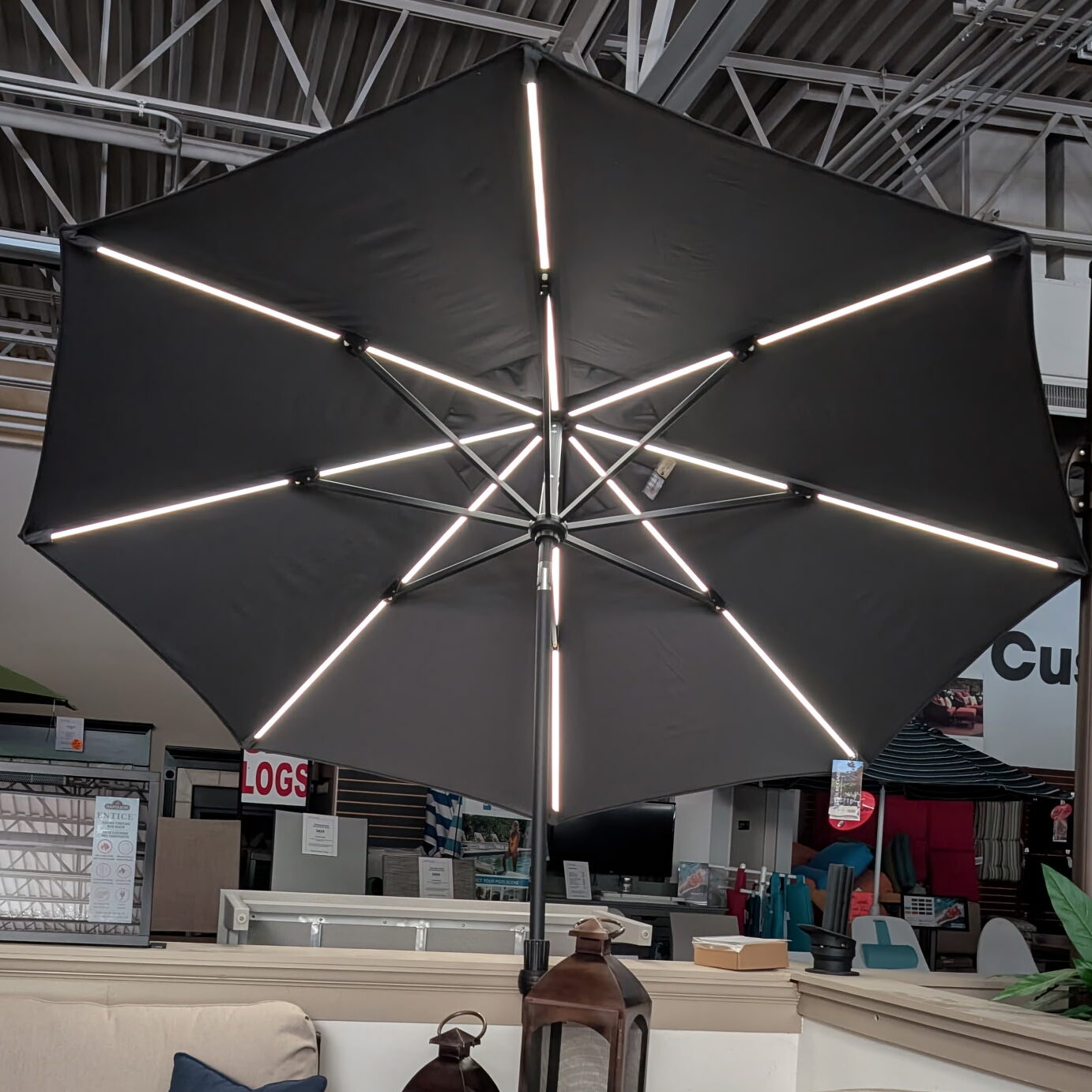
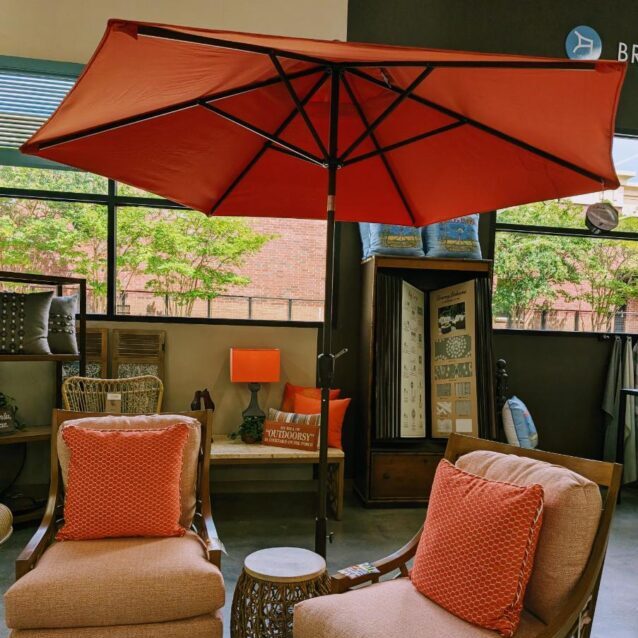
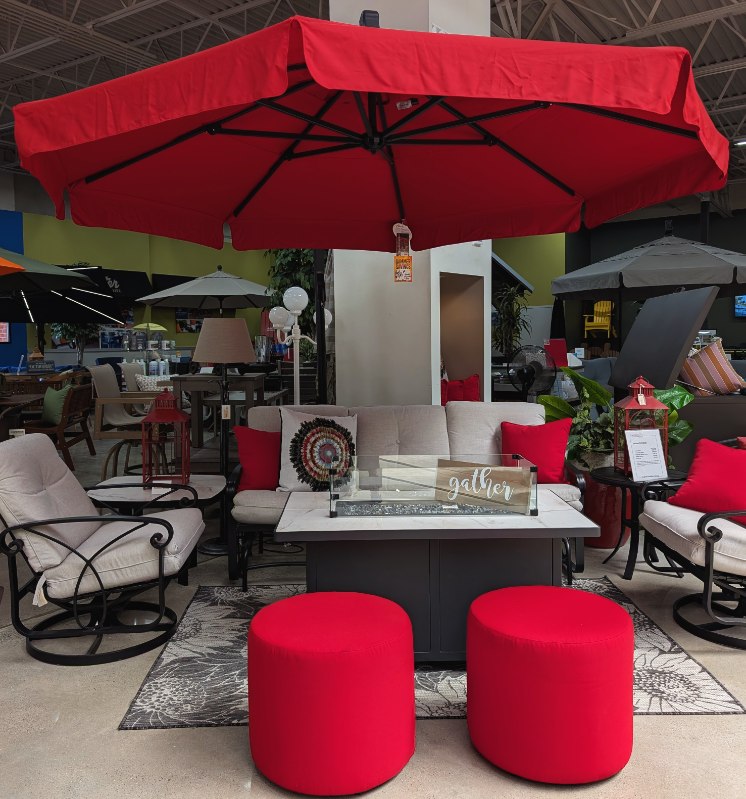
Our Favorite Umbrellas From The Showroom
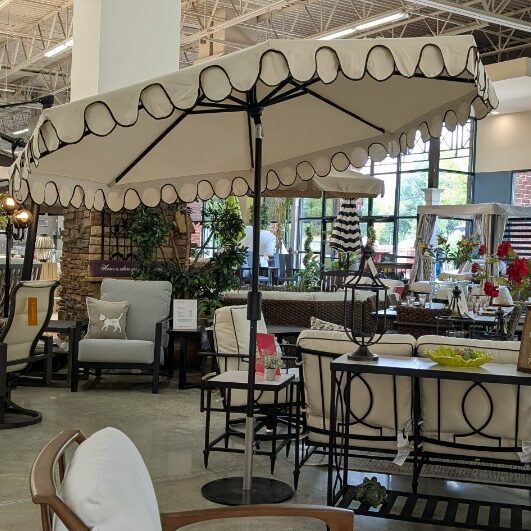
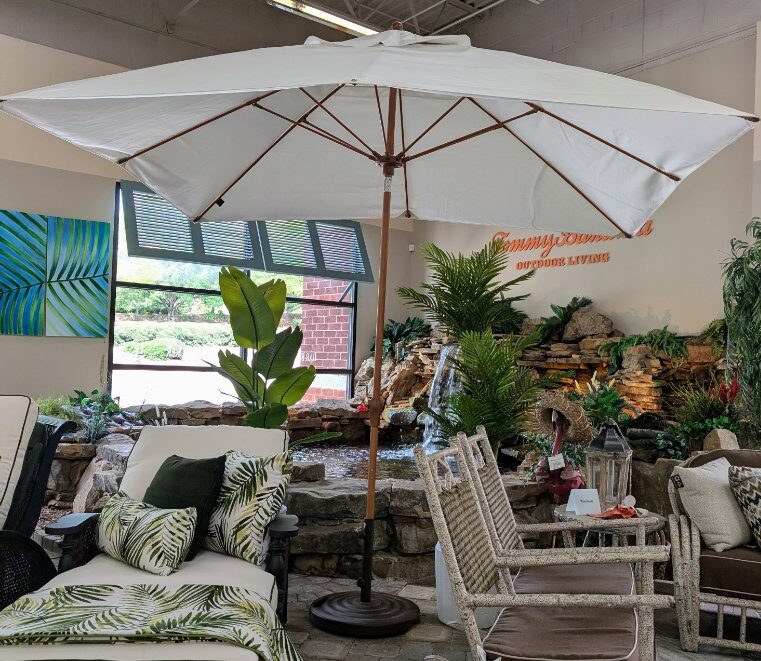
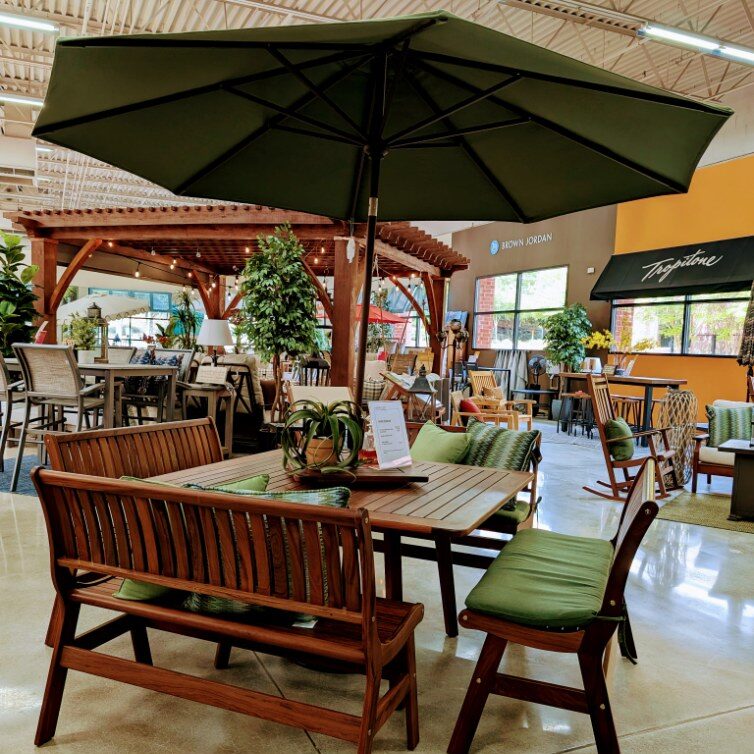
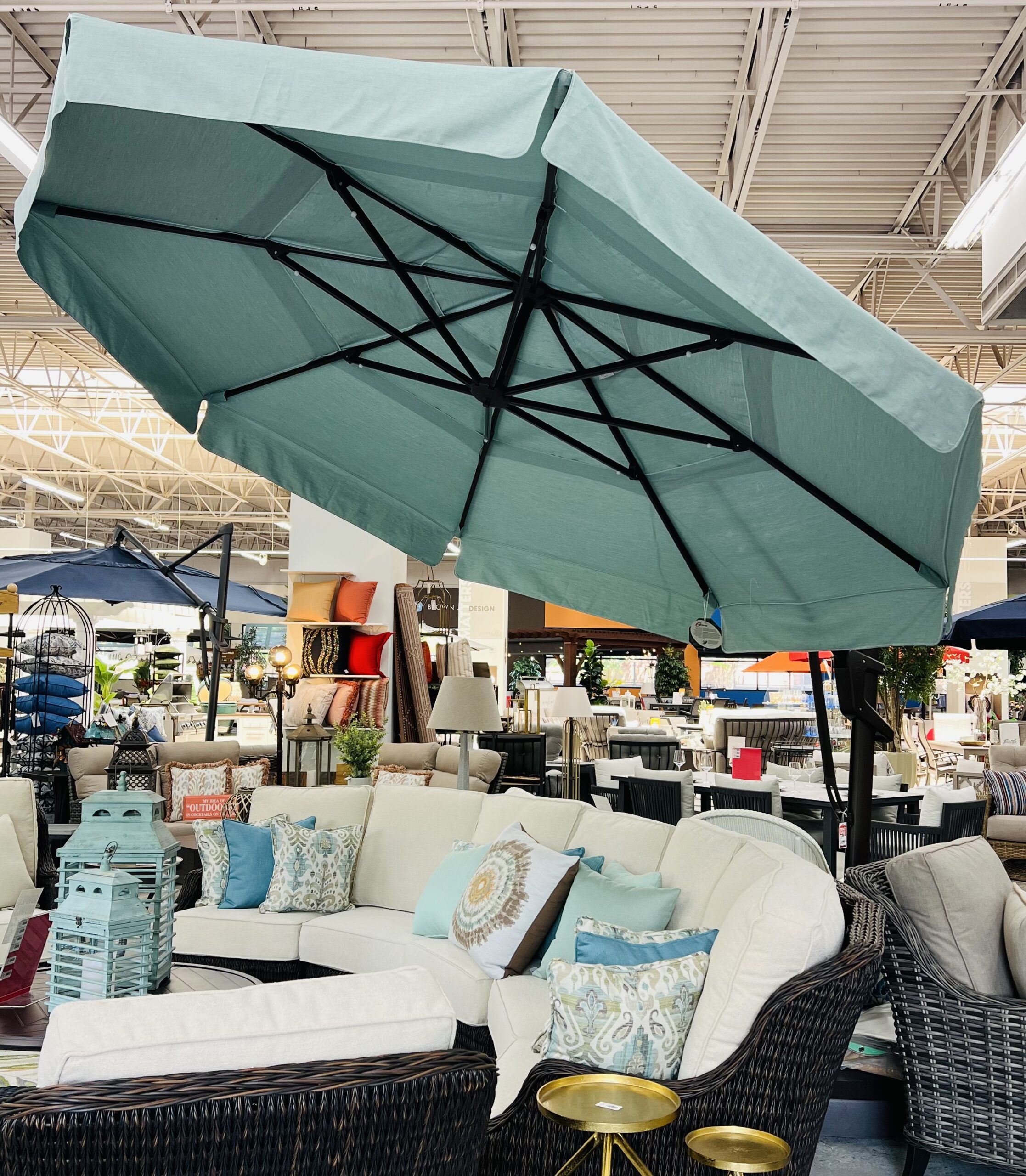
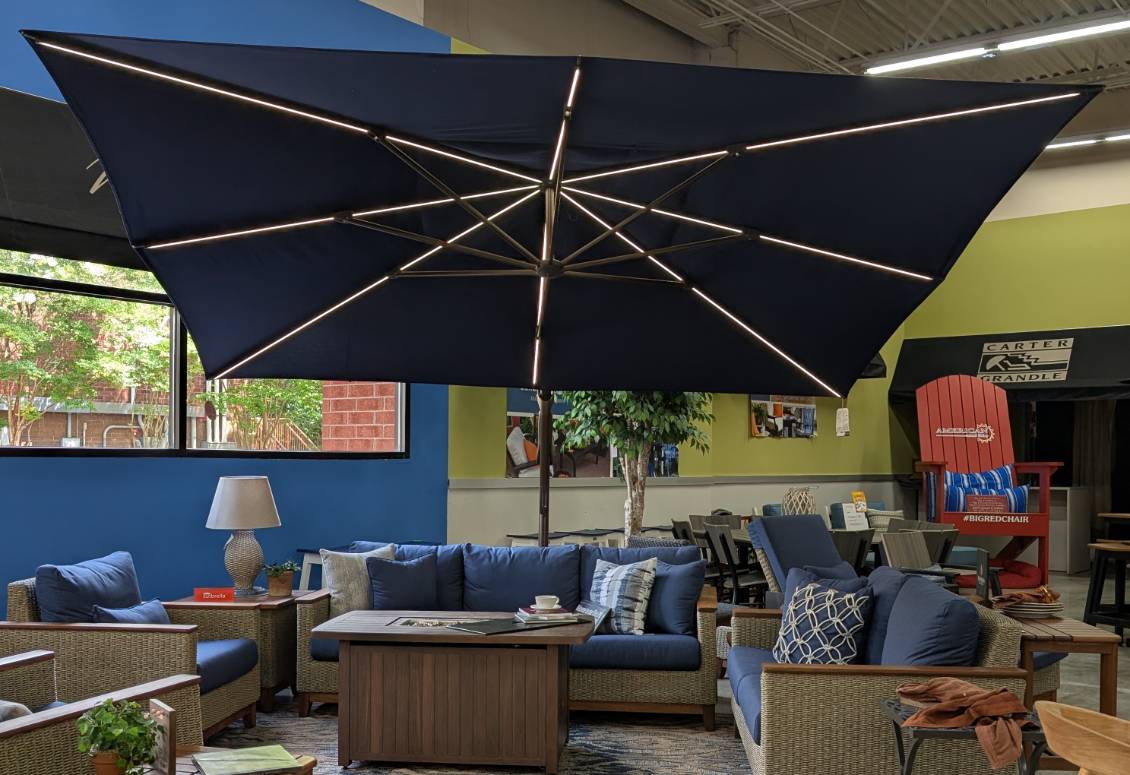
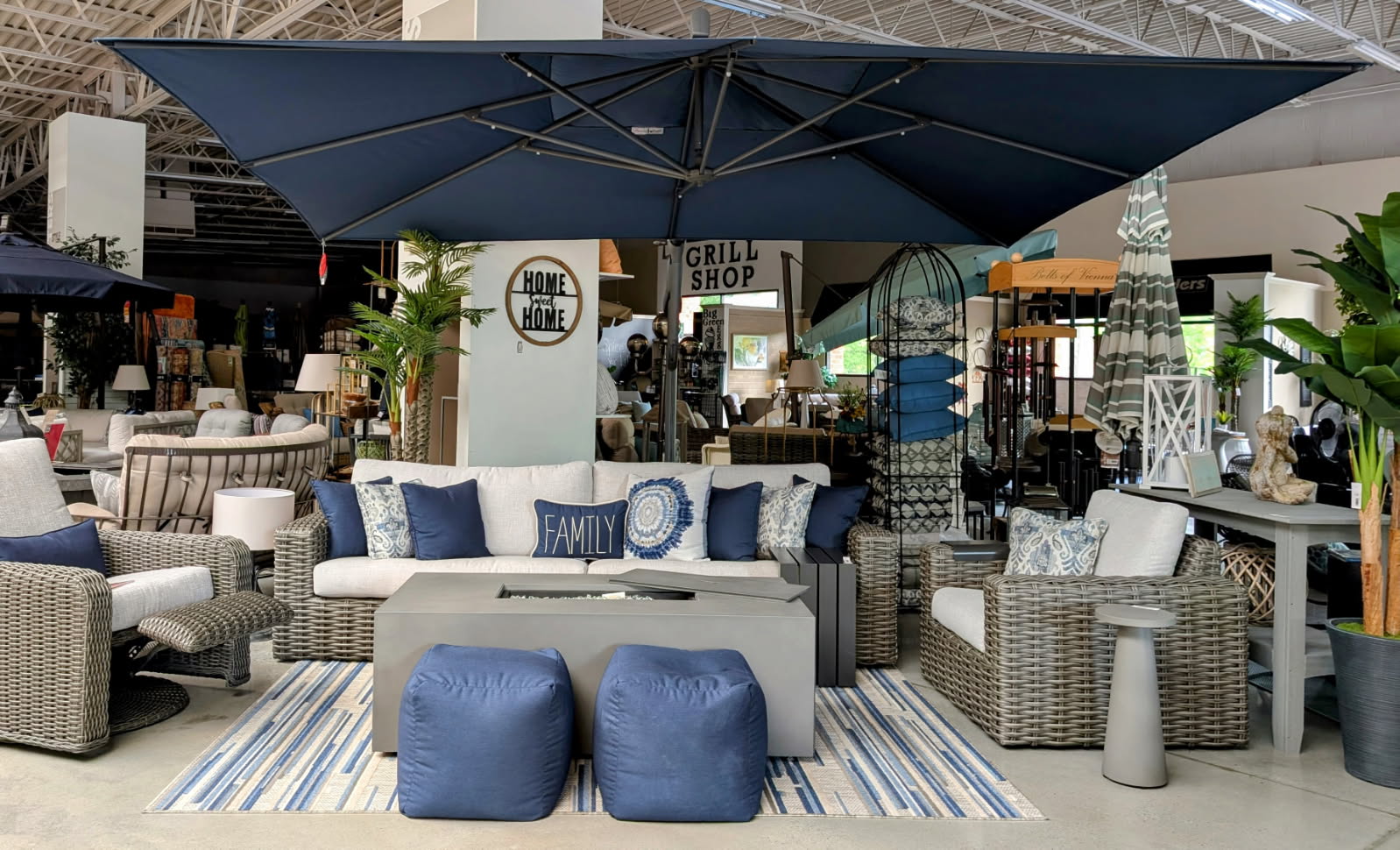
Want to Know More About Our Patio Umbrellas?
Have More Questions?
Contact one of our Umbrella Experts today!
email usWhat Is the Benefit of an Outdoor Umbrella?
Functionally, outdoor umbrellas provide necessary shade from the sun’s harmful UV rays. A patio umbrella will maximize the use of your outdoor living areas by providing shade, making it comfortable to sit outside more often and for more extended periods of time. Outdoor umbrellas are also available in a variety of materials and colors to seamlessly complement your carefully curated outdoor living space.
Which Type of Outdoor Umbrella is Right for You?
There are two main types of patio umbrellas available to transform an outdoor space from unusable to your favorite summer spot: market umbrellas and cantilever umbrellas. The materials used in making both types of umbrellas can vary within each type, but there are some important distinctions to consider.
Market Umbrellas
Market umbrellas feature a straight upright pole and may or may not allow tilting. They are commonly found in the center of outdoor dining tables to protect food and guests from the sun’s rays. Their upright positioning allows them to be set up anywhere shade is needed. Market umbrellas that incorporate a tilting mechanism are more versatile and can create better shade throughout the day by allowing you to follow the sun.
Cantilever Umbrellas
The other primary type of outdoor umbrella is the cantilever umbrella. These umbrellas feature an arm offset from the central pole, allowing the canopy to move around the space and block the sun all day. An advantage of cantilever umbrellas is that they can be set up beside furniture, keeping the space clear and uncluttered by a large umbrella pole. Their design makes shading difficult corners of your outdoor space easy.
What Umbrella Materials Should I Choose For My Umbrella?
The material of your patio umbrella pole and canopy should be considered based on the needs of your particular outdoor living space. Poles are typically available in wood, aluminum, and fiberglass options, and each type comes with its unique advantages and limitations. Meanwhile, canopies are offered in canvas, acrylic, polyester, and Olefin fabrics. Like the pole materials, they present buyers with essential considerations.
- Wood
One of the clearest advantages of wood umbrellas is their charming, rustic look. Whether made of teak, eucalyptus, or another hardwood, these umbrellas are a stylish addition to your outdoor setup. They also have structural advantages. Woods like teak are naturally water resistant and repellant to some insects. One drawback of wood is its inflexibility. Other materials are better suited to outdoor living spaces in windier areas.
- Aluminum
Aluminum is a great option for a more durable garden umbrella. While it may not be as easy on the eye as wood, aluminum has some significant advantages. When treated with a powder coating, aluminum is more resistant than most metals to corrosion and wear. Its durability alone makes it a great value when selecting a patio umbrella.
- Fiberglass
If your outdoor space is subjected to all kinds of weather and wind, then fiberglass is a great option. A combination of reinforced plastic and glass fibers, fiberglass is more flexible than wood and sturdier than aluminum. Fiberglass is the choice for buyers who are more concerned with durability than budget.
- Canopy Size and Material
No matter which pole material you choose, there are a variety of canopy options to consider. The size of the canopy will typically be determined by whether it’s a market or cantilever umbrella and the area that needs shade. Cantilever umbrellas tend to have larger canopies than market umbrellas, although there are some smaller cantilever canopies.
Canopies can be made from polyester, acrylic, canvas, and Olefin. Polyester outdoor umbrellas benefit from being quick-drying and easy to dye. If a vibrant conversation-starting umbrella is the goal, then acrylic is the go-to choice. Acrylics are lightweight but aren’t as tough in high-temperature environments. Canvas on the other hand, is one of the most durable materials available. Canvas umbrellas are water-resistant and offer great sun protection. Another cost-effective option is Olefin, a synthetic fiber that can resist fading in the sun and mildew in damper darker areas.
How much maintenance is needed for an Outdoor Umbrella?
Outdoor umbrellas are built to withstand a range of climates and temperatures, but from time to time, require thoughtful care and maintenance. The most basic way to keep your umbrella looking fresh year in and out is to clean off and dry the canopy before closing the umbrella for the season. This can be as easy as hosing it off with water, or as detailed as deep cleaning the umbrella with a solution-dye fabric cleaner. Keep the umbrella covered when storing in a dry location for extended periods of time to avoid any mold or fading.
Learn more about our Umbrella and Furniture Covers here!